
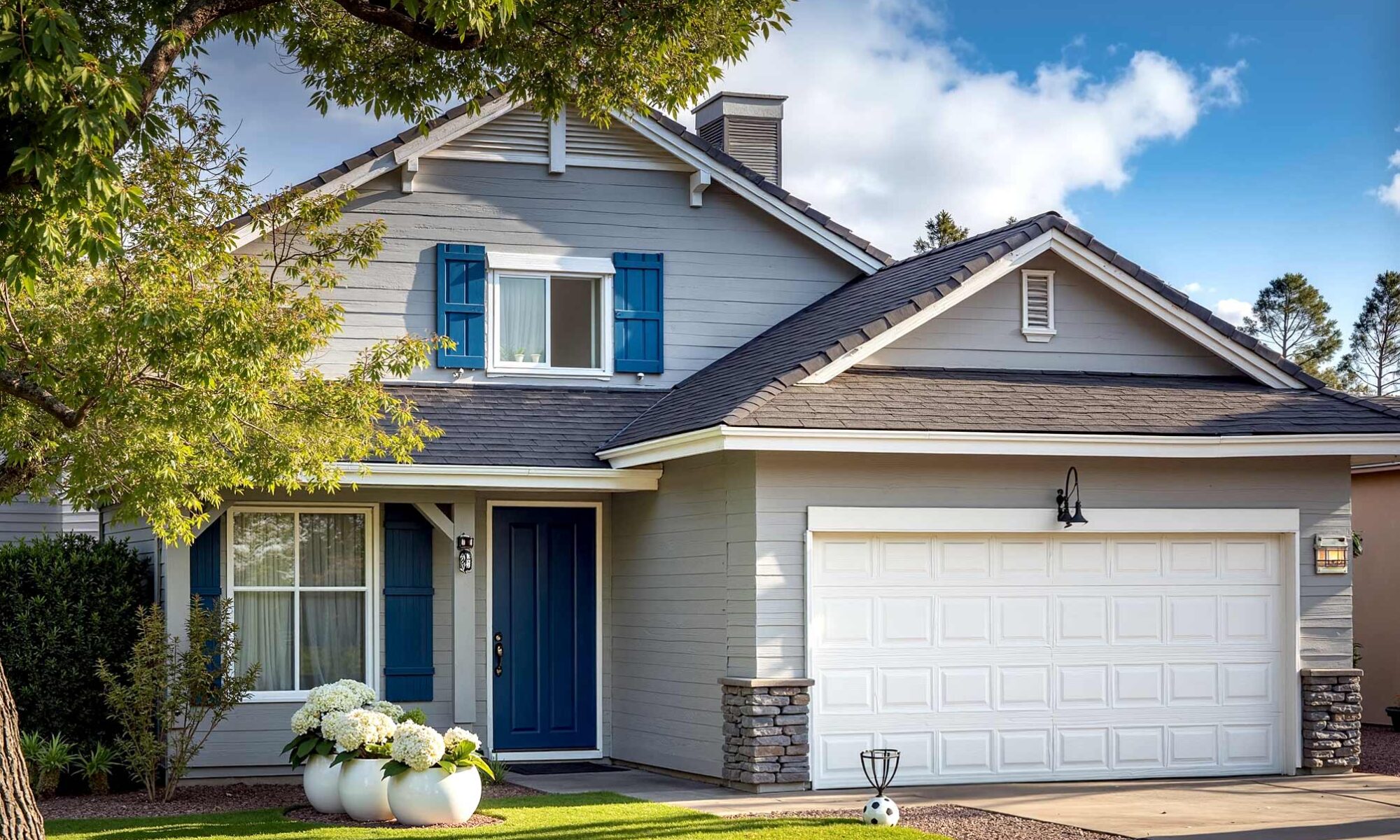
Every homeowner knows that moment—when you step back, fresh from hosing down the siding, only to realize your house still looks tired, faded, or just plain dirty. Maybe you’re quietly wondering, does my house need to be painted? Or maybe you’re wrestling with the frustration of why does my house look dirty even after cleaning. Let’s face it: your home is more than a structure. It’s your pride, your comfort, and your investment. When it starts to lose its shine, it stings a little deeper than we admit.

As someone who’s spent a lot of time studying and solving exterior paint problems, I can tell you: the answers aren’t always obvious, but they’re almost always fixable. Let’s decode those nagging questions, figure out what’s really going on, and—if you’re not ready to repaint—talk about how you can stretch your home’s curb appeal just a little longer.
The First Signs Your House Needs Painting: Chalking, Fading & That Washed-Out Look
Here’s how it starts. Maybe you brush your hand along the siding and notice a weird powder. You ask, “Why is there a white, chalky powder on my siding when I touch it?” Or, “Why is there a white, powdery film on my hands or shoulder every time I brush against the siding?” This is chalky siding, and it’s the paint’s way of waving a white flag.

When you see chalky siding, it means UV rays are breaking down the binders in your paint, leaving pigment to dust away in every breeze. It’s why you might wonder, “I just washed the house; why does the color still look cloudy and dull?” or “Why does my vinyl siding look like it has a ‘chalky’ sunburn?” Even if your siding is dark, you might ask, “Is it normal for my dark siding to turn a lighter, ‘milky’ shade over time?” or see “white streaks running down the walls after a heavy rain.” The side facing the sun? “Why does the side of my house facing the sun look ‘washed out’ compared to the shaded side?” That’s classic UV damage.
Mitigation tip: If you need to buy time, a gentle hand-wash is better than power washing. Use a soft brush and a mild cleaner to remove what chalk you can. There are also “paint revitalizer” products—temporary fixes that can bring back a hint of color and sheen. But remember, these are band-aids; they don’t restore protection. If you see chalky siding, you’re seeing one of the clearest signs your house needs painting. Don’t forget to apply a primer first!
When Stains and Streaks Won’t Budge: Permanent Problems, Not Just Dirt
Maybe this sounds familiar: “Why won’t these dirty patches come off even after power washing?” Or, “Why does the surface of my house look ‘blotchy’ or uneven when it dries?” If you spot rusty streaks—“Why are there rusty-colored streaks appearing under my window frames?”—or nagging water marks—“Why won’t these brown ‘water spots’ go away even with heavy soap?”—you’re not alone.
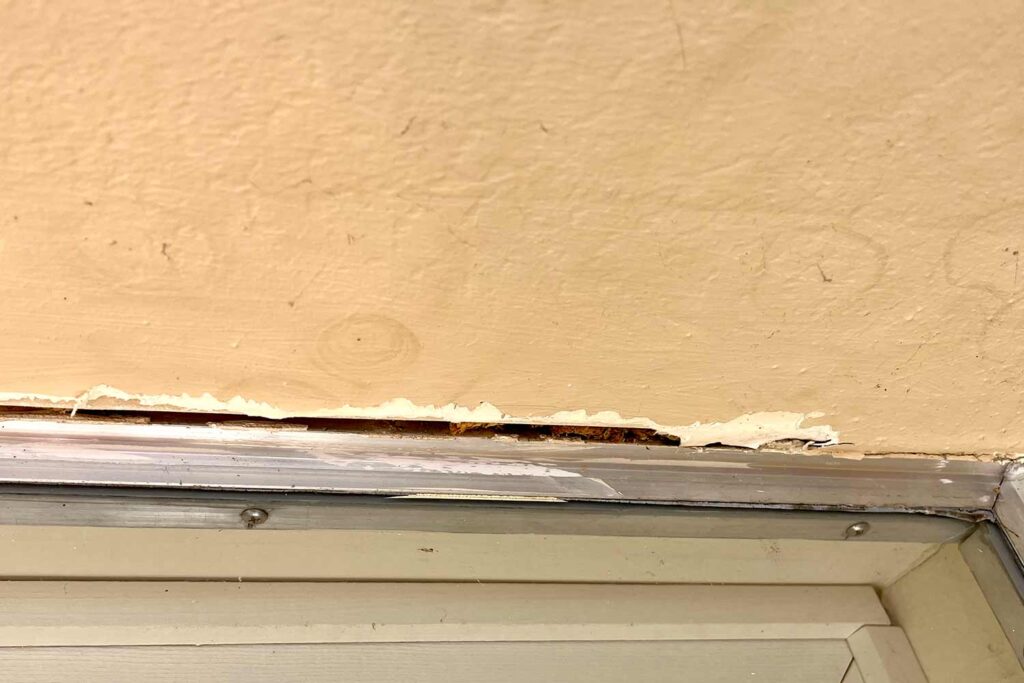
Sometimes you notice “permanent ‘shadows’ where the shutters used to be” or wonder, “What are these yellow stains bleeding through my light-colored siding?” Even your once-pristine trim might be turning “a strange orange or ‘tobacco’ color.” Maybe you’ve asked, “Why does my stucco look like it’s ‘weeping’ or has dark tear-streaks?” or “Why does my house look dirty again just one week after a soft wash?” And those fine “spider-web” cracks? They trap dirt and moisture, making the house look older than it is.
Here’s the truth: when the surface film of paint wears away, it loses its power to repel stains, water, and dirt. Sometimes, the root cause is deeper—like a lack of primer during the last paint job, which means stains bleed through no matter how many times you repaint the top. The stains may be a result of tannins in the wood. The best thing to use to prevent these stains from showing through on your next paint job is a shellac primer.
Mitigation tip: For small, stubborn stains, try a stain-blocking exterior primer (like shellac) on the spot, and touch up with matching paint. For rusty streaks, check for corroded screws or flashing—replace or seal them with a metal primer. But if blotchiness and stains cover large areas, you’re fighting a losing battle. Persistent stains are one of the most obvious exterior paint problems that signal a new paint job is overdue.
Rot and Soft Spots: When Paint Failure Gets Serious
Sometimes homeowners ask, “Why does this wood on my windowsill feel soft or spongy?” or “Why does the wood on my trim feel soft?” Here’s the hard truth: soft spots mean water’s gotten in, and rotting wood is sure to follow. The most common reason? Peeling or failed paint and caulk, often from years of neglect or a rushed, low-budget job with no primer.
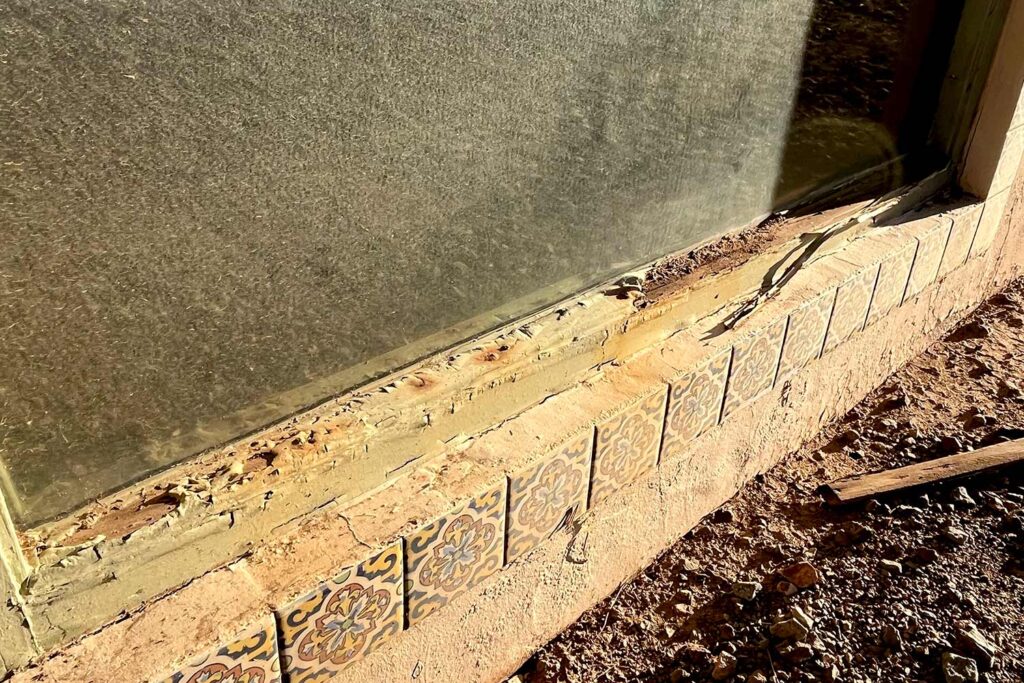
If you catch it early, a two-part wood epoxy or Bondo can repair small patches, and a quality primer can help seal it. But make no mistake: if you’re poking around and finding soft wood, the answer to does my house need to be painted is a resounding yes. It might even require a carpenter to replace a board or two. Left unchecked, these exterior paint problems will only get more expensive.
Touch-Up Headaches: Why Spot-Fixing Fails

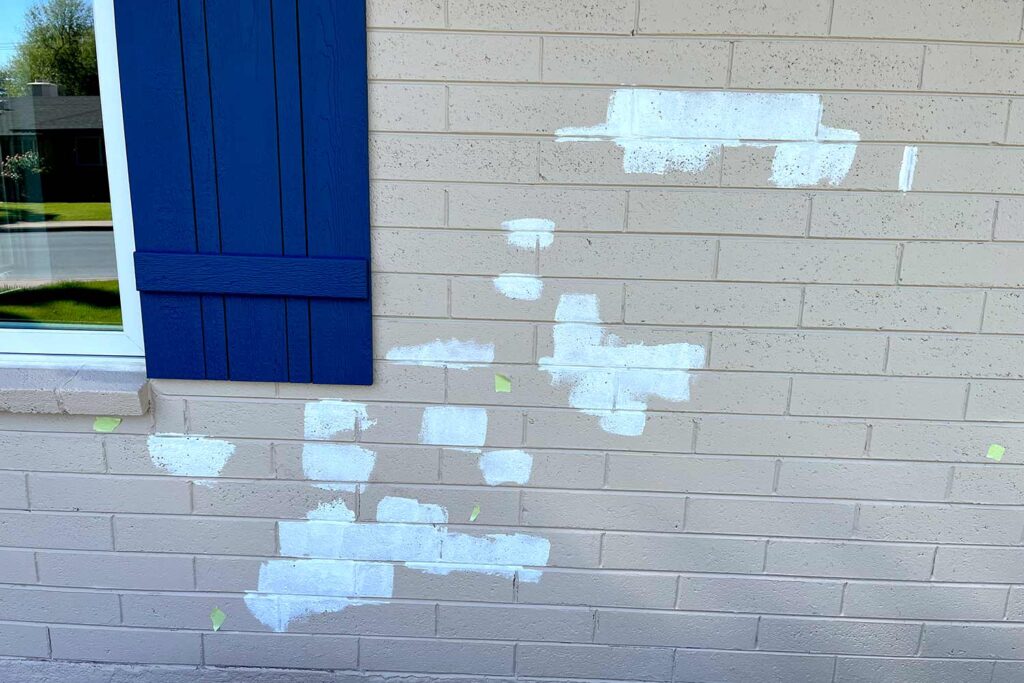
Here’s a question I hear every once in a while: “Why do my touch-ups always look like blotches?” Or, “I used the exact same paint, but it looks different in the places I touched up.” Or the classic: “Can I just touch up these few spots?”
Unfortunately, even the best-matched paint won’t blend in if the original is faded, dirty, or chalky. Paint ages, loses sheen, and morphs in sunlight. That’s why touch-ups stick out like a sore thumb—making things look worse, not better.
Mitigation tip: For tiny chips, feather the edges with a dry brush, but for anything bigger, you’re better off repainting the whole section. If your home is covered in patchy touch-ups, does my house need to be painted? Absolutely.
When Your House Looks Tired: Dullness, Fading, and Declining Pride
“Is it normal for my house to look this ‘dull’ after only five years?” If you’re comparing your home to old photos— “Does my house look different than it did in old photos?”—you’re not imagining things. “Does my house just look ‘tired,’ or is it actually failing to protect the wood underneath?” Fading, bubbling, and a tired, drab look are all classic signs your house needs painting.
Other clues: “Why is my paint ‘bubbling’ in certain spots, making the house look neglected?” Maybe you notice, “Is it just me, or does the house look ‘tired’ compared to the neighbor’s?” or “Why is my porch or deck making the rest of my house look ‘grungy’?” Construction nearby? “Is nearby construction dust permanently staining my exterior walls?” Or, “Why does my siding seem to ‘absorb’ the dirt instead of letting it wash away?”
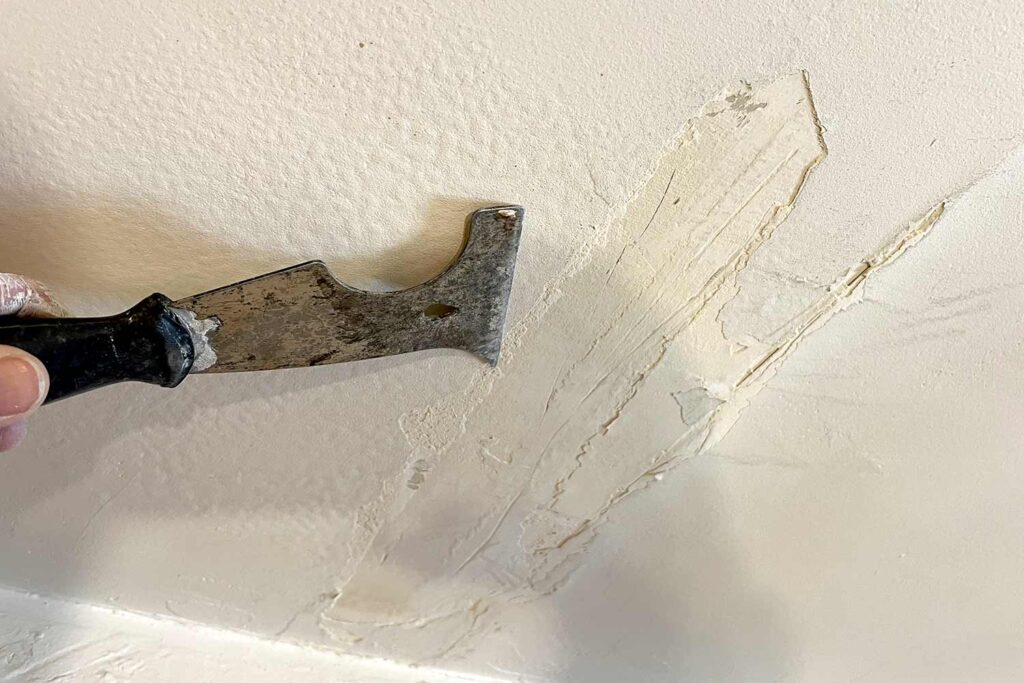
If your newish home was painted with low-cost builder’s grade paint, a dull, faded look after a few years is, unfortunately, the norm. The paint simply wasn’t meant to last. If your house just won’t look clean, or if it feels like you’re losing the fight against grime, it’s time to stop scrubbing and start planning.
Why These Problems Happen—And How to Stretch Your Paint Job (If You Must)
Let’s be honest: most exterior paint problems start with shortcuts—skipping primer, using cheap paint, or painting when the weather’s wrong. Primer is not optional; it blocks stains and helps topcoat grip. If your last painter skipped it, you’re paying the price now.
If you must delay a full repaint:
- Wash gently, using soft brushes and mild soap—not power washers, which can do more harm than good.
- Use a paint revitalizer or conditioner to boost faded paint’s appearance for a season.
- Seal cracks with a flexible exterior caulk to keep water out.
- Spot-prime stains and bare wood—never skip primer on repairs.
- Cut back plants and clean gutters to reduce moisture and mildew.
Every trick here is temporary. When the signs your house needs painting stack up, these are stopgaps—not solutions.
Final Brush Strokes: Loving Your Home Means Protecting It
Here’s what I wish every homeowner knew: your home is more than a shelter. It’s a living investment. When you take care of it, when you keep it looking sharp, you’re not just adding curb appeal—you’re protecting your family’s biggest asset, and you’re showing pride in what you own.
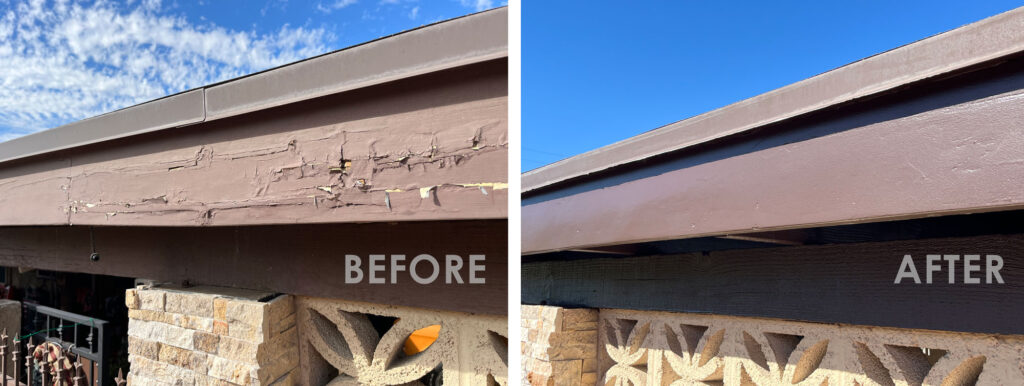
So, does my house need to be painted? If you’re seeing chalky siding, stains, soft wood, failed touch-ups, or a house that just seems tired no matter how many times you clean, the answer is yes. A professional exterior house painting job isn’t just maintenance—it’s an act of love and stewardship. It’s how you keep that home strong, beautiful, and welcoming for years to come.
If you’re tired of wondering why does my house look dirty even after cleaning, or if you’re ready to stop fighting the same old exterior paint problems, maybe it’s time to invest in your home’s future. Give me a jingle. Because your home deserves to look as good as it makes you feel.